PPE Inspection, Storage and Care: A Practical Guide for Safer Workplaces
By Pujan Thakkar
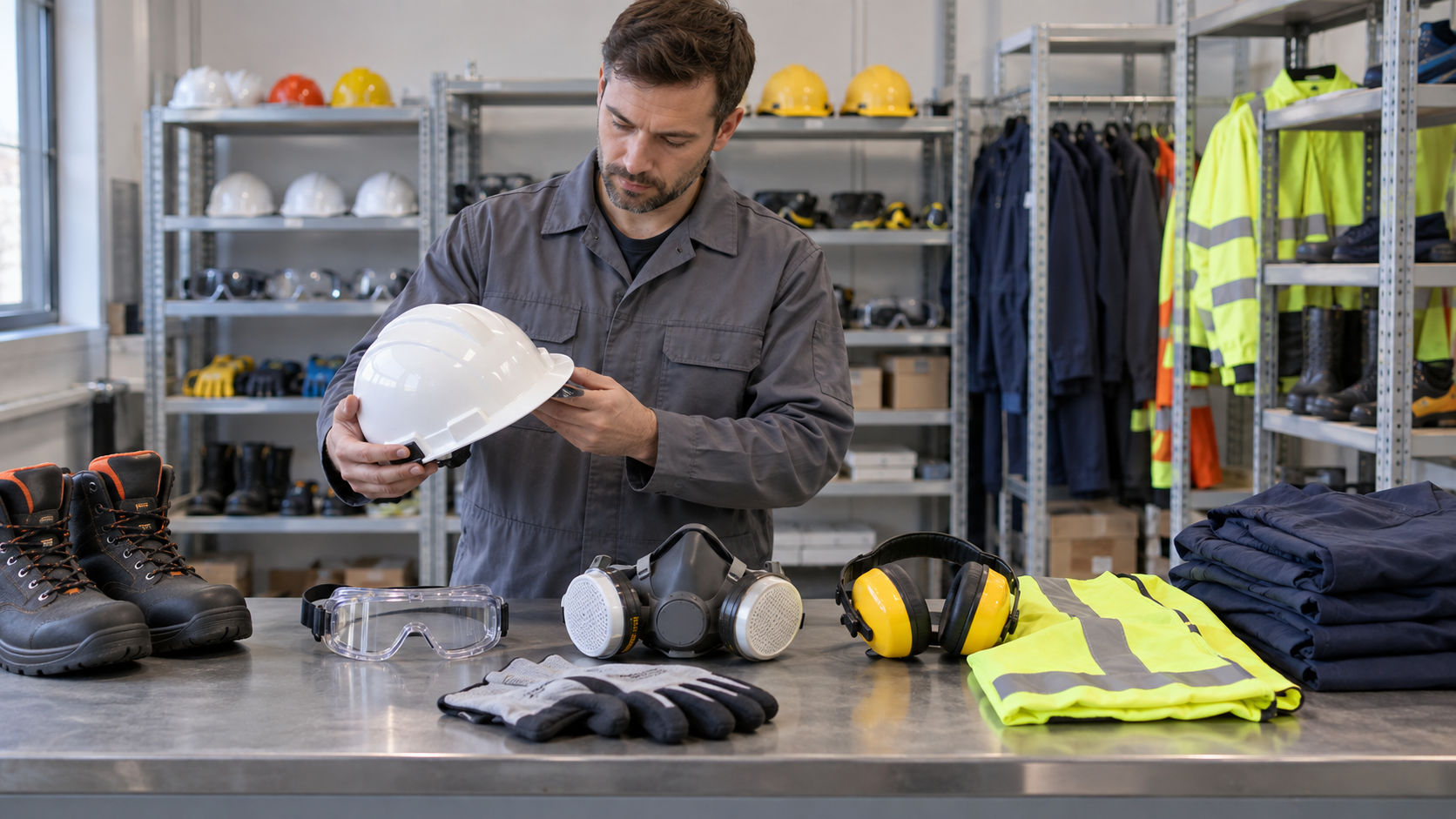
Personal protective equipment is a critical part of workplace safety, but selecting the right PPE is only the beginning. Hard hats, protective eyewear, gloves, respirators, hearing protection, safety footwear, high visibility garments and industrial workwear all need to remain in suitable condition throughout their working life.
A piece of PPE may have been correctly selected for a hazard when it was issued, but its protective value can change over time. Scratched lenses can reduce visibility, worn footwear can lose grip, damaged reflective tape can affect visibility, respirator components can deteriorate, gloves can develop small cuts or thinning, and workwear can suffer seam, fabric or closure damage.
This is why an effective PPE program should include routine inspection, correct cleaning, suitable storage and clear replacement criteria. These practices help workers identify damaged equipment before it becomes a safety problem and help businesses manage PPE more consistently across teams, departments and sites.
This guide explains how businesses can build a practical PPE inspection and maintenance program covering common industrial safety equipment and protective workwear.
Why PPE Inspection and Maintenance Matter
PPE often forms the final barrier between a worker and a workplace hazard. It may be used alongside engineering controls, administrative controls and safe work procedures to reduce remaining risk. Because PPE is worn directly by the worker, its condition, fit and functionality are essential.
An item does not need to be completely broken before its performance becomes questionable. Small defects can matter. A cracked helmet shell, stretched respirator strap, worn glove coating or damaged boot sole may affect how the product performs during a task.
Regular PPE care and inspection can help workplaces:
- identify damage before equipment is used;
- improve worker confidence in issued safety equipment;
- reduce avoidable replacement caused by poor storage;
- maintain better hygiene for reusable PPE;
- improve stock planning and replacement control;
- support consistent workplace safety procedures;
- reduce the risk of unsuitable PPE remaining in service.
A well-managed PPE system therefore focuses not only on purchasing compliant or task-appropriate products, but also on what happens after those products are issued.
PPE Should Be Part of a Wider Risk Management System
PPE should not be treated as a substitute for controlling hazards at their source. Businesses should identify workplace hazards, assess the associated risks and use appropriate control measures before relying on PPE.
However, when PPE is required, it needs to match the hazard, the work environment and the worker. This includes considering protection level, comfort, fit, compatibility with other PPE, mobility requirements and expected duration of use.
The inspection process should then confirm that the equipment continues to meet those practical requirements after repeated use.
Different industries create different PPE wear patterns. Construction workers may experience heavy abrasion, dust and outdoor exposure. Manufacturing teams may use gloves, eye protection and hearing protection repeatedly throughout the day. Oil and gas workers may require specialised protective clothing that must be checked for contamination and garment damage. Warehouse and logistics teams may place significant wear on footwear, gloves and high visibility garments.
A useful PPE inspection program should therefore be adapted to the real conditions of each workplace rather than using a single generic rule for every item.
How to Build a Practical PPE Inspection Program
1. Identify the PPE Used Across the Workplace
Begin with a simple inventory of the PPE used by each department, job role or work area. This may include:
- safety helmets;
- safety glasses and goggles;
- face shields;
- earplugs and earmuffs;
- respirators;
- protective gloves;
- safety footwear;
- high visibility clothing;
- industrial coveralls;
- flame resistant workwear;
- rainwear;
- chemical protective clothing;
- fall protection equipment.
This allows the business to establish suitable inspection methods for each PPE category.
2. Define Pre-Use Checks
Workers should generally inspect PPE before use. These checks should be quick enough to become part of normal work preparation.
A pre-use inspection might involve looking for cracks, contamination, torn fabric, damaged straps, broken fasteners, excessive wear or any other sign that the equipment may no longer perform as expected.
Workers should also check fit. An item that no longer fits correctly may not provide the same protection, even if no obvious physical damage is visible.
3. Introduce Scheduled Inspections Where Needed
Some equipment may require more detailed periodic inspections in addition to everyday user checks. Depending on the product and workplace, these might be weekly, monthly or at another suitable interval.
Higher-risk equipment should be managed under more formal procedures, particularly where failure could have serious consequences.
4. Define Who Is Responsible
Responsibility should be clear.
Workers can be responsible for checking their own PPE before use and reporting defects. Supervisors can monitor PPE condition in the workplace. Safety teams, stores staff or designated competent personnel can manage periodic inspections, replacement records and stock availability.
5. Make Replacement Easy
Workers are more likely to report damaged PPE when replacement is straightforward. If the process is difficult or slow, there is a risk that worn equipment will remain in use longer than it should.
Businesses should maintain suitable replacement stock and provide a clear process for exchanging defective equipment.
PPE Inspection Checklist by Product Type
Safety Helmets and Hard Hats
Inspect the helmet shell for cracks, dents, deformation, brittleness, impact damage or unusual surface deterioration. Check the suspension system, adjustment mechanism, headband and attachment points.
A helmet that has experienced significant impact should be assessed carefully even if external damage appears limited. Internal components can also wear over time.
Helmets should not be modified using unauthorised drilling, painting, adhesives or accessories that could affect performance.
Safety Glasses, Goggles and Face Protection
Protective eyewear should provide clear vision as well as physical protection.
Check for:
- deep scratches;
- cracks;
- cloudy or damaged lenses;
- loose arms;
- broken nose pieces;
- damaged seals;
- stretched elastic straps;
- contamination affecting visibility.
Workers may be less likely to wear badly scratched or uncomfortable eye protection consistently, so usability is an important part of inspection.
Hearing Protection
Earmuffs should be checked for cracked cups, worn cushions, contamination and loss of clamping force. Headbands and adjustment mechanisms should operate correctly.
Reusable earplugs should be kept clean and checked for damage, hardening or deformation. Disposable earplugs should not be reused beyond their intended use.
Correct fit is particularly important because poorly fitted hearing protection may provide less effective noise reduction.
Respiratory Protection
Reusable respirators require disciplined inspection and maintenance.
Check:
- facepiece condition;
- straps and buckles;
- valves;
- sealing surfaces;
- cartridge connections;
- filters or cartridges;
- signs of contamination;
- cracks, distortion or stiffness.
Respirators should be stored so that the facepiece does not become distorted and should be protected from dust, chemicals and contamination when not in use.
Filter and cartridge management should follow the applicable workplace respiratory protection program and product instructions.
Protective Gloves
Gloves should be checked according to the hazard they are intended to control.
Look for:
- cuts and punctures;
- thinning;
- damaged coatings;
- seam failure;
- chemical contamination;
- loss of grip;
- hardening or brittleness;
- heat damage.
The absence of a visible hole does not automatically mean a glove remains suitable. Wear can reduce performance before complete failure occurs.
Industrial Workwear and Coveralls
Workwear should be checked for general garment integrity as well as any specialised protective function.
Inspect:
- fabric tears;
- damaged seams;
- broken zippers;
- missing buttons or press studs;
- damaged cuffs;
- worn knee and elbow areas;
- poor fit;
- heavy contamination;
- unauthorised alterations.
For general industrial uniforms, durability, fit and coverage are important. For specialised garments, additional performance requirements may apply.
Flame Resistant Workwear
FR workwear should be inspected carefully because garment integrity can be important during exposure to heat, flame or related industrial hazards.
Check for holes, tears, worn areas, damaged closures and contamination. Garments should be laundered according to appropriate care instructions.
Do not assume that every visible repair method is suitable for protective clothing. Repairs should maintain the intended protective characteristics of the garment.
High Visibility Workwear
High visibility clothing works partly by making the wearer easier to detect, so visibility-related components should be inspected regularly.
Check:
- faded fluorescent fabric;
- damaged reflective tape;
- heavy staining;
- torn panels;
- seam damage;
- closure failure;
- garment distortion or shrinkage.
A garment may still be wearable as clothing while no longer being suitable for a high visibility safety application.
Safety Footwear
Safety footwear is exposed to high levels of daily wear, especially on construction, manufacturing, logistics and mining sites.
Inspect:
- outsole tread;
- sole separation;
- cuts or splits;
- toe area damage;
- heel wear;
- lace and eyelet condition;
- water ingress;
- loss of internal support;
- contamination affecting grip.
A worn outsole may increase slip risk even if the upper part of the boot still looks serviceable.
Why Correct PPE Storage Is Important
PPE can deteriorate while it is not being used. Poor storage can expose products to sunlight, heat, moisture, chemicals, dust or physical damage.
A clean, organised PPE storage area can help extend service life and make inspections easier.
Recommended PPE Storage Practices
- Keep PPE in a clean and dry location.
- Avoid unnecessary exposure to direct sunlight.
- Protect equipment from oils, solvents and chemicals.
- Do not crush or deform respirators, helmets or eye protection.
- Separate clean equipment from contaminated equipment.
- Allow wet items to dry appropriately before long-term storage.
- Use shelves, lockers, containers or hanging systems suitable for the product.
- Keep replacement stock organised by product type and size.
Leaving PPE loose in vehicles, machinery cabins or exposed work areas can result in unnecessary deterioration. High heat in enclosed vehicles can also affect some materials over time.
PPE Cleaning and Hygiene
Reusable PPE should be cleaned according to the needs of the product and workplace.
Cleaning has two purposes. The first is hygiene. The second is maintaining performance. However, inappropriate cleaning methods can damage PPE.
Common mistakes include using overly aggressive chemicals, high washing temperatures, unsuitable detergents or excessive mechanical treatment.
Workers and laundry teams should follow applicable product instructions, particularly for protective garments with specialised fabric treatments or reflective materials.
Protective Clothing Care
Industrial workwear can accumulate dust, oils, grease, chemicals and general workplace contamination. Correct laundering helps keep garments comfortable and presentable while maintaining useful service life.
Garments should be checked after washing as well as before washing. Cleaning can reveal seam damage, abrasion or fabric weakness that was difficult to see while the garment was soiled.
High Visibility Garment Care
Excessive washing, harsh chemicals or heavy workplace contamination can affect fluorescent fabrics and reflective materials. Hi-vis garments should therefore be inspected regularly throughout their use period.
FR Garment Care
FR clothing should be managed under a controlled laundering process appropriate to the garment specification. Heavy contamination may require special attention because some substances may introduce additional hazards.
Where businesses use industrial laundry providers, laundering requirements should be clearly communicated.
When Should PPE Be Replaced?
There is no universal replacement period that applies equally to every PPE product. Service life depends on the product, frequency of use, work environment, care, exposure and manufacturer guidance.
Common replacement triggers include:
- structural damage;
- cracks, tears or holes;
- failed adjustment systems;
- loss of fit;
- loss of grip or traction;
- damaged reflective material;
- severe fading;
- contamination that cannot be removed safely;
- loss of sealing ability;
- significant impact;
- manufacturer replacement requirements;
- uncertainty about continued protective performance.
The best approach is to establish documented replacement criteria for each PPE category used in the workplace.
Common PPE Management Mistakes
Keeping PPE Until It Completely Fails
PPE should not need to reach catastrophic failure before replacement. Condition-based inspection should identify deterioration earlier.
Failing to Train Workers
Workers should understand what damage looks like and how to report it. Issuing PPE without inspection training creates unnecessary uncertainty.
Using Poor Storage Areas
Even quality PPE can deteriorate quickly if stored in heat, moisture or contamination.
Ignoring Compatibility
Multiple PPE items often need to be worn together. Helmets, goggles, respirators, earmuffs and protective clothing should work together without creating fit problems.
Using Informal Repairs
Improvised repairs may alter protective performance. Repairs should follow suitable product or workplace procedures.
Not Maintaining Replacement Stock
If the correct replacement size or type is unavailable, workers may continue using damaged gear. Procurement planning should therefore form part of the PPE program.
Creating a Simple PPE Inspection Checklist
A workplace PPE checklist does not need to be complicated. A practical checklist can include:
- correct PPE selected for task;
- no visible cracks or structural damage;
- no tears, cuts or excessive abrasion;
- all straps and closures operating correctly;
- equipment fits the worker properly;
- equipment is reasonably clean;
- no excessive contamination;
- visibility components remain serviceable;
- soles and grip remain suitable;
- filters or cartridges are suitable where applicable;
- PPE has been stored correctly;
- damaged items have been removed from service.
This can be adapted into a daily pre-start check, supervisor audit, stores inspection or periodic PPE review.
How Procurement Can Improve PPE Performance
PPE maintenance starts before the product reaches the worker. Procurement teams can influence long-term performance by selecting equipment suitable for the task and workplace.
Buyers should consider:
- hazard requirements;
- expected wear conditions;
- worker comfort;
- sizing availability;
- compatibility with other PPE;
- cleaning requirements;
- replacement availability;
- manufacturer or supplier support;
- whole-of-life value rather than purchase price alone.
A lower initial price does not always represent better value if an item wears quickly, causes discomfort or requires frequent replacement.
Managing PPE Across Multiple Sites
Businesses with several worksites can experience inconsistent PPE practices unless expectations are standardised.
A central PPE program can help by defining:
- approved product categories;
- minimum inspection requirements;
- replacement criteria;
- issue processes;
- storage expectations;
- approved suppliers;
- training requirements.
Individual sites can then add controls for local hazards while maintaining a consistent overall system.
The Role of Workers in PPE Care
Workers are closest to the equipment and are often the first to notice changes in condition, comfort or performance.
They should be encouraged to report:
- damage;
- poor fit;
- reduced comfort;
- loss of grip;
- visibility problems;
- difficulty using PPE with other equipment;
- unusual wear;
- suspected contamination.
A strong safety culture treats these reports as useful information rather than inconvenience. Worker feedback can also help procurement teams identify products that perform better under real operating conditions.
How Triotex and PPE CART Support Workplace PPE Programs
Triotex supports industrial businesses with workwear and protective clothing designed for demanding workplaces, including industrial coveralls, flame resistant garments, high visibility workwear, uniforms and customised workwear solutions.
PPE CART supports workplace buyers with access to PPE, industrial safety products, workwear, safety footwear and other workplace protection categories.
For procurement and safety teams, combining correct product selection with disciplined inspection, maintenance and replacement practices can help create a more dependable PPE program.
Final PPE Inspection and Care Checklist
Businesses reviewing their current system can use the following questions:
- Do workers know how to inspect PPE before use?
- Are clear replacement criteria available?
- Is damaged PPE removed from service promptly?
- Is reusable PPE cleaned correctly?
- Are storage areas clean and suitable?
- Are contaminated items separated appropriately?
- Is replacement stock available in the required sizes?
- Are specialised garments laundered correctly?
- Are workers encouraged to report fit and performance issues?
- Are PPE procedures reviewed when workplace hazards change?
Conclusion
Buying good PPE is important, but maintaining it properly is equally important. Inspection, storage, cleaning and timely replacement help ensure protective equipment remains suitable throughout its working life.
A practical PPE management program does not need to be unnecessarily complex. Workers need to know what to check, supervisors need clear replacement criteria, storage areas need to protect equipment from damage, and procurement teams need suitable replacement stock.
The most effective approach is to treat PPE condition as part of everyday workplace safety rather than as an occasional compliance exercise.
Regular inspections can identify worn equipment before it fails. Correct storage can reduce unnecessary deterioration. Suitable cleaning can improve hygiene and product life. Timely replacement can ensure workers are not relying on equipment that is no longer fit for purpose.
For construction, manufacturing, mining, oil and gas, logistics, utilities and other industrial workplaces, these basic practices can strengthen both safety performance and PPE management.
Frequently Asked Questions
How often should PPE be inspected?
Most PPE should be visually checked before each use. Depending on the item, workplace and risk level, additional scheduled inspections may also be appropriate.
What should workers look for during a PPE inspection?
Workers should look for cracks, tears, excessive wear, contamination, damaged straps, failed closures, loss of fit, worn soles and other changes that may affect protective performance.
How should PPE be stored?
PPE should generally be stored in a clean, dry and organised area away from unnecessary exposure to sunlight, heat, chemicals, moisture and contamination.
When should PPE be replaced?
PPE should be replaced when damage, wear, contamination, poor fit, loss of functionality or manufacturer requirements indicate that continued use may no longer be suitable.
Can damaged protective clothing be repaired?
Some garments may be repairable, but the repair method should be appropriate for the garment and should not compromise its intended protective function. Specialised protective clothing may require controlled repair procedures.
Why is PPE storage important?
Incorrect storage can cause deformation, contamination, fading, moisture damage and premature deterioration. Proper storage helps maintain both condition and service life.
About the author
Pujan Thakkar is building Triotex and PPE CART with a focus on industrial workwear, PPE, product strategy, manufacturing, growth, and partnerships. He writes about FR workwear, hi-vis standards, white label manufacturing, and practical supply programs for industrial buyers.